

Trademark Plastics said a customer could call to ask whether a mold was running and the team could find the current status in about two minutes, then investigate immediately if the job showed a problem.
What is the result?
Trademark Plastics used DELMIAWorks as an operating backbone across production, efficiency, quality, and customer communication. Its chief operating officer described a practical service outcome: finding a customer's current mold status in about two minutes and acting immediately when the system showed a problem.
The operating situation
Trademark Plastics primarily molds medical plastic components. Its customers depend on reliable supply, rapid answers, and a quality system that can stand up to customer and ISO audits.
A production delay is not only an internal efficiency issue. It can affect a customer's supply chain, so the team needed a quick way to see whether a mold was running correctly and why it was not.
What DELMIAWorks changed
- Automated operating reports: The company described receiving at least 15 automated reports each day to surface recurring issues and track improvement.
- Visual production monitoring: Real-time status colors showed whether a mold was running efficiently, faster than expected, slower than expected, or down.
- Customer response: Staff could look up the mold, identify its status, and send the right team to investigate without waiting for a manual floor report.
- Integrated quality records: Processes, policies, procedures, objectives, and performance reports were maintained in the same system for audit preparation.
The customer-reported outcome
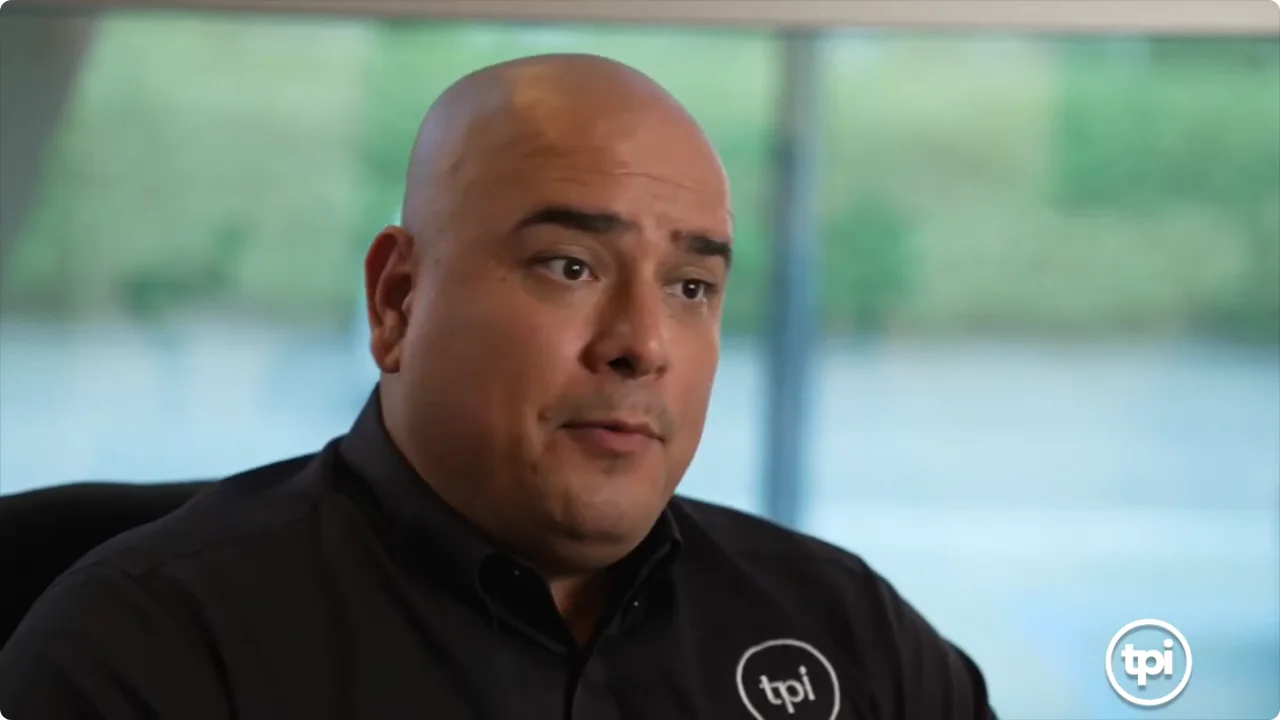
“We'll look up in two minutes. We can find out if it's running right away.”
Brian Barrera, Trademark Plastics, official DELMIAWorks video
The important distinction is what this statement supports. It is evidence of Trademark Plastics's experience, not a universal performance promise. The operational mechanism described in the story is the value: connected information made a faster or better-informed decision possible.
Watch the complete customer story from the official DELMIAWorks YouTube channel.
What another manufacturer can take from this story
- Measure the answer time. “Real time” becomes more credible when it is translated into a customer-facing response such as minutes to confirm job status.
- Route exceptions, not every data point. The color-coded view helped the team focus on molds that needed attention instead of manually checking every job.
- Connect quality and production. Automated operating metrics are more useful when they also support audit evidence and corrective action.
How Morphos 3D would validate the fit
A customer story is a useful proof point, but it is not an implementation plan. Morphos 3D starts with the current workflow, the business decision that needs better evidence, the systems that own the data today, and the measurable baseline. That fit assessment determines whether DELMIAWorks should connect the workflow and which phase should come first.
Start with the DELMIAWorks Fit Assessment or talk with an ERP specialist.