
SOLIDWORKS Milling Professional
The step up from Shop Floor Programmer's 3+2 indexing to true simultaneous 4- and 5-axis. Mold and die surfacing, high-speed machining, and toolpath automation, all on the 3DEXPERIENCE platform.
SOLIDWORKS Milling Professional
SOLIDWORKS Milling Professional is the advanced milling role in the SOLIDWORKS Manufacturing portfolio on the 3DEXPERIENCE platform. It sits one tier above NC Shop Floor Programmer. Where Shop Floor Programmer indexes a part in fixed 3+2 positions, Milling Professional drives the machine through true simultaneous 4- and 5-axis motion.
- Simultaneous 4- and 5-axis machining, not just indexed 3+2
- 3-to-5 converter turns proven 3-axis toolpaths into 5-axis programs
- High-speed machining, mold and die surfacing, and undercut work
The 3-to-5 converter lets you take a 3-axis toolpath you already trust, tilt the tool away from collisions, and run it as a simultaneous 5-axis program. You reach undercuts, use shorter and more rigid tools, and cut contoured surfaces in one setup instead of several. Machine simulation runs the full program before any chips fly.
 Morphos 3D is an authorized SOLIDWORKS reseller with deep CNC manufacturing expertise.
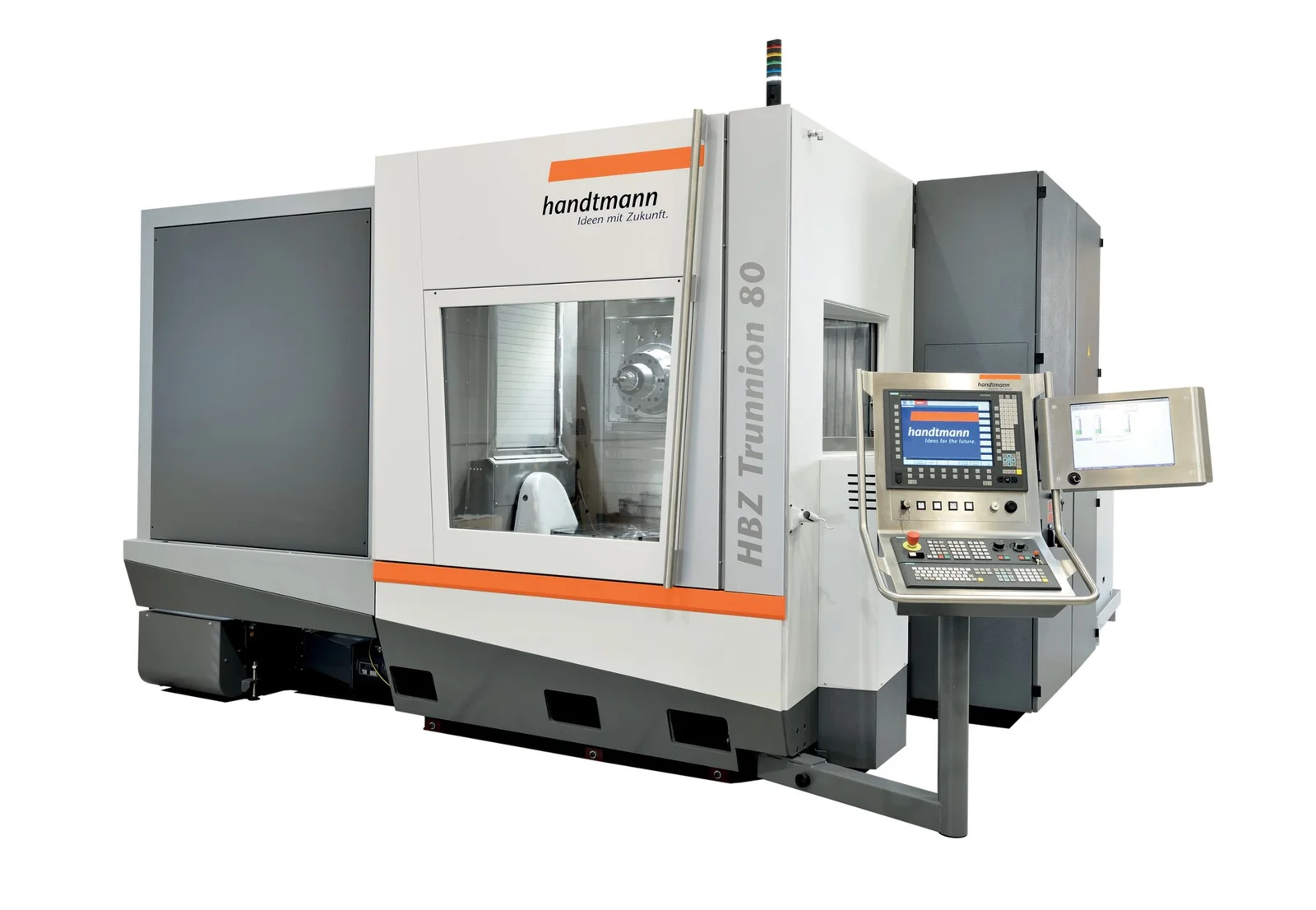
What Milling Professional Adds
Everything in Shop Floor Programmer, plus the simultaneous multi-axis, surfacing, and automation that indexed programming cannot reach.
Drive continuous multi-axis motion, not just indexed 3+2 positions. Reach undercuts, run shorter tools, and hold tolerance on contoured surfaces in a single setup.
Turn a proven 3-axis toolpath into a simultaneous 5-axis program. Tilt the tool away from collisions and use shorter, more rigid tools without reprogramming from scratch.
Adaptive toolpaths keep tool engagement steady, so you run higher feeds, spread wear evenly, and protect the spindle on hard materials instead of shock-loading a corner.
High-quality finishing toolpaths for 3D contoured surfaces, with undercut machining for the organic geometry that flat 3-axis leaves behind.
Surface-driven strategies built for cores, cavities, and complex draft. Program the finish the part actually needs, not the finish the toolpath defaults to.
Capture proven strategies as templates and rules so repeat features program themselves. A new programmer turns out the same toolpath as your best one.
One Rung on the Manufacturing Ladder
The SOLIDWORKS manufacturing roles all sit on one platform, so you buy the tier your parts need now and turn on more later without changing tools.
2.5- and 3-axis milling, 3+2 indexing, laser, waterjet, plasma, nesting, wire EDM, and machine simulation. Often already included with a subscription that carries cloud services.
View page →Adds true simultaneous 4- and 5-axis, the 3-to-5 converter, high-speed machining, and mold and die surfacing. The move once indexed 3+2 stops being enough.
This roleThe full range: multi-axis mill-turn, Swiss, machining with robots, and machine-tending programming, including the specialty routines used on aerospace and turbine work.
Ask about it →Turning HSMWorks off with the 2028 end-of-life deadline? The alternatives breakdown covers where a SOLIDWORKS shop lands, and this role is the simultaneous multi-axis half of that answer.
In Practice
Indexed 3+2 machining locks the rotary axes at a fixed angle for each cut. It is fast and rigid, and for a lot of prismatic work it is all you need. The wall you hit is the undercut, the deep cavity, and the flowing surface where the tool has to keep tilting as it moves. That is simultaneous work, and it is where Milling Professional starts.
- Continuous 4- and 5-axis motion for contoured surfaces
- Shorter tools tilted into reach, less deflection and chatter
- Fewer setups, so fewer chances to lose a datum
- 3-to-5 converter reuses toolpaths you already trust
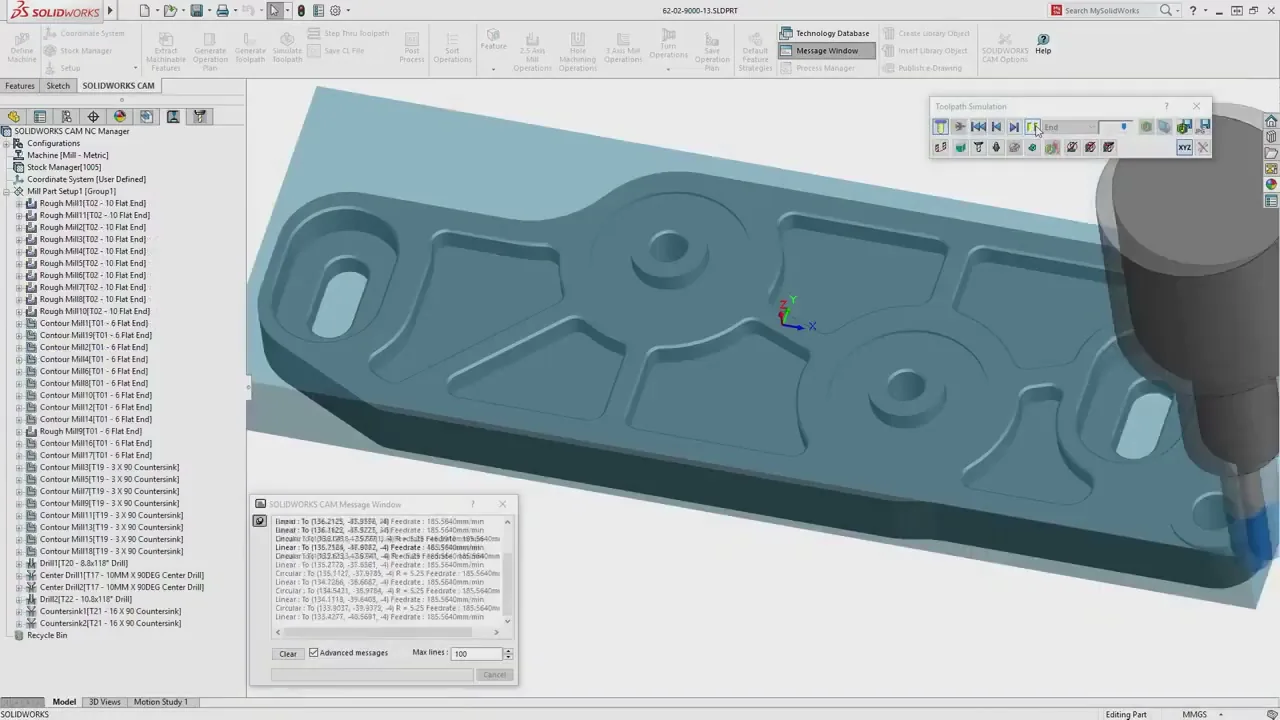
Simultaneous 5-axis is exactly where a crash gets expensive, because the rotary motion puts the head, the table, and the fixture all in play at once. Machine simulation runs the full kinematic model so axis-limit violations, reachability problems, and collisions surface in software, not on a scrapped part. The program that reaches the floor is one a validated post-processor can run without hand-editing.
- Full kinematic simulation, not just tool-and-stock
- Axis limits and collisions caught before the machine moves
- Post-processors validated for your controller and machine
- Data managed on the platform, connected to design
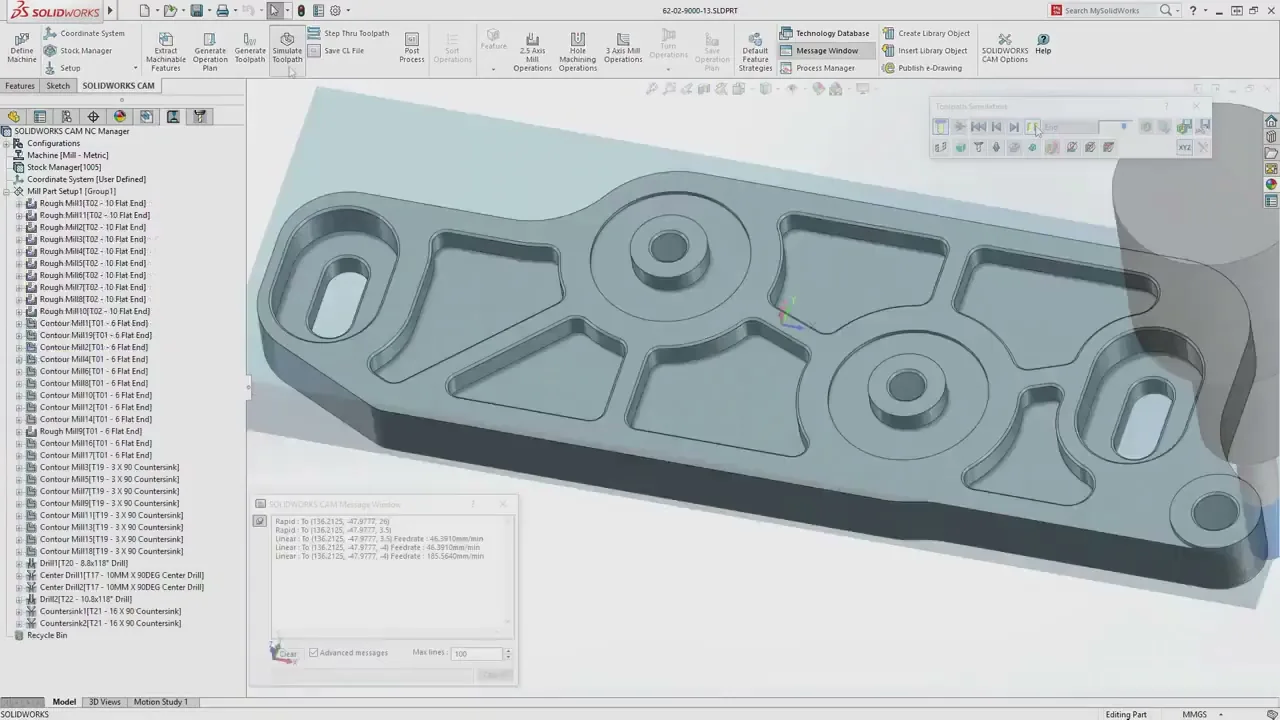
More Than a Software Sale
Simultaneous multi-axis is unforgiving of a generic setup. The software is only as good as the machine kinematics, the posts, and the strategies behind it, and Morphos configures all of it for your floor.
- Machine kinematics: your actual 4- and 5-axis machines modeled so simulation matches the real envelope
- Post-processor validation: 5-axis G-code that runs on your controller without manual editing
- Strategy library: proven mold, die, and surfacing approaches captured as reusable know-how
- Training on your parts: your real jobs, tools, and materials, not vendor sample files
Not sure whether you need simultaneous 5-axis or 3+2 indexing is enough? Read the 5-axis vs 3+2 breakdown, or start a level down with NC Shop Floor Programmer.